What if the legal documents you’ve carefully filed are actually the very thing standing between your family and their long-term financial security? It’s a sobering thought for high-net-worth individuals who realize that standard legacy planning services in Michigan often fail to address the intricate tax landscape of 2026. You likely feel that your hard-earned wealth deserves a more robust defense than a simple template can provide. The fear of an arduous probate process or seeing a significant portion of your estate consumed by unnecessary taxes is a valid concern that keeps many families from achieving true peace of mind.
You deserve a strategy that transcends basic paperwork. By utilizing a comprehensive financial framework, you can transform a static estate plan into a dynamic intervention that protects your wealth across generations. This article provides a clear roadmap for managing the $15 million federal exemption and optimizing wealth transfer. We’ll examine how a synthesis of personal vision and structured corporate capabilities at Timothy Roberts & Associates, LLC can minimize tax impacts and ensure your family’s stability remains unshakable for years to come.
Key Takeaways
- Learn how legacy planning services in Michigan transcend traditional estate documents by aligning your financial architecture with your long-term personal vision.
- Discover the strategic necessity of integrated investment portfolio management to ensure the longevity and growth of your family’s multi-generational wealth.
- Identify sophisticated tax planning strategies designed to minimize liabilities and preserve your estate’s value against shifting federal thresholds.
- Gain a clear, five-step roadmap for auditing your current assets and constructing a resilient framework that prioritizes family financial stability.
Beyond the Will: Defining Legacy Planning Services in Michigan
Legacy planning isn’t a one-time transaction; it’s a continuous, strategic alignment of your financial architecture with your deepest personal values. While many residents view Defining Legacy Planning as a rudimentary exercise in document drafting, high-net-worth individuals recognize that true wealth stewardship requires a more sophisticated intervention. Professional legacy planning services in Michigan move beyond the mechanics of capital distribution. They focus on how your assets will influence future generations and support the missions you hold dear.
For 2026, the concept of wealth stewardship has emerged as a primary goal for those seeking organizational and personal evolution. It’s no longer sufficient to merely avoid the 3% to 7% costs typically associated with Michigan probate. You need a framework that synthesizes your personal vision with structured corporate capabilities to ensure your capital remains a constructive influence long after you’re gone.
To better understand this concept, watch this helpful video:
The Core Components of a Modern Legacy
A modern legacy is built on the intersection of wealth transfer and values transfer. While transferring capital is a technical process, transferring values is a visionary one. Fiduciary oversight plays a critical role here, as it provides a layer of professional protection for multi-generational assets. By identifying the right stakeholders early, you create a financial roadmap that accounts for both the quantitative aspects of your investment portfolio and the qualitative nature of your family’s mission. This approach treats development as a journey rather than a simple transaction.
Why a Will is Only the Starting Point
Relying solely on a will is a precarious strategy in complex financial environments. A will is a static document that often fails to address the immediate needs of heirs or the intricacies of tax preparation. It doesn’t govern beneficiary designations on 401k or IRA accounts, which frequently represent a significant portion of a family’s wealth. These assets pass outside of probate, meaning a will cannot protect them from mismanagement or unforeseen tax liabilities.
Sophisticated legacy planning services in Michigan address the human element of inheritance. They prepare heirs for the responsibility of wealth, ensuring they’re equipped to manage the $15 million federal exemption effectively. For families with multi-state considerations, particularly those with ties to Florida, consulting with a specialized practice like Coastal Legacy Law can provide essential guidance on elder law and life care planning. By focusing on year-round tax planning strategies and risk management, you can ensure that your legacy isn’t just an inventory of holdings, but a resilient foundation for family stability.
The Financial Architecture of Multi-Generational Wealth Transfer
Building a legacy requires more than just signatures on a page; it demands a robust financial architecture. High-end legacy planning services in Michigan treat your estate as a living entity that requires active stewardship. This process involves a meticulous synthesis of your creative vision with the business-minded rigor necessary to navigate shifting markets. While Michigan estate planning tools like wills provide a foundation, they don’t actively manage the assets they intend to protect.
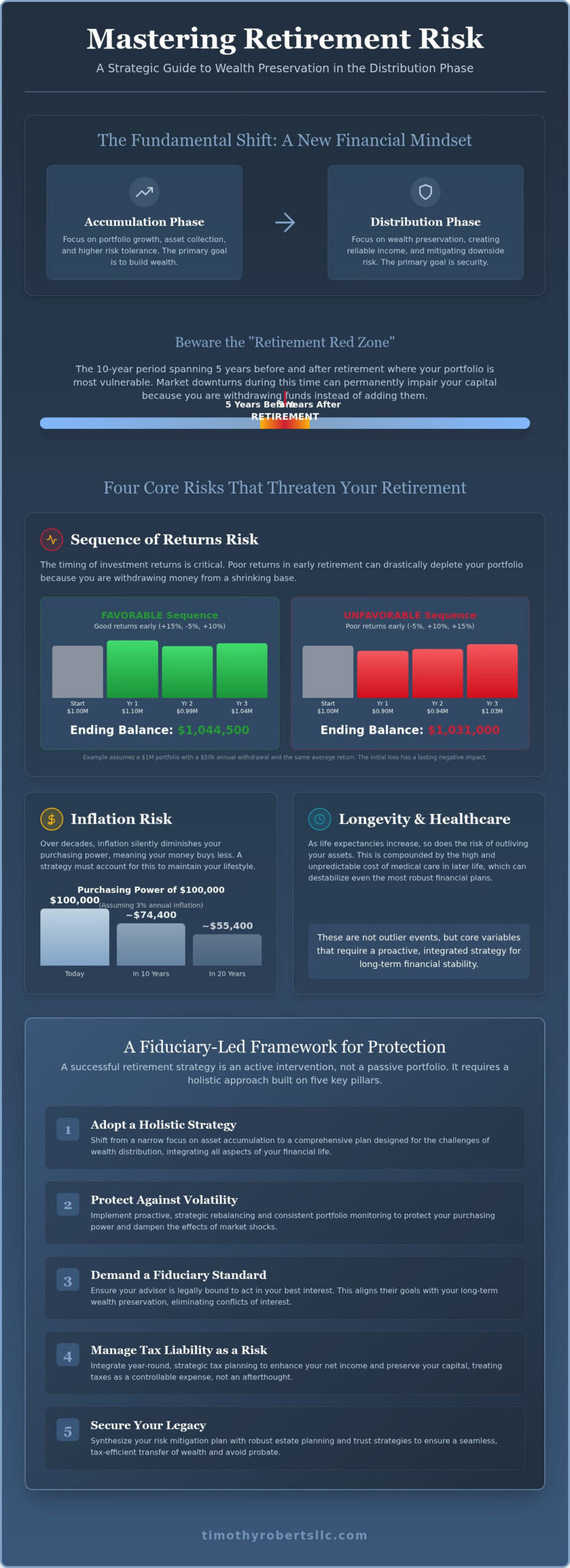
Market volatility can significantly alter the timing and value of an inheritance. Without continuous portfolio monitoring, a sudden downturn could erode the capital intended for the next generation. We view asset allocation not as a static choice, but as a progressive journey that adapts to economic cycles while maintaining your long-term objectives. This proactive stance ensures that your wealth isn’t just preserved, but positioned for upward progression.
Investment Management as a Legacy Tool
Fiduciary rebalancing is essential to maintaining your desired risk tolerance over several decades. As market conditions evolve, your portfolio can drift, exposing your heirs to more risk than you originally intended. Asset-based management serves as a critical tool for maintaining generational stability through intentional capital allocation. Additionally, brokerage accounts provide the necessary liquidity for heirs to cover immediate expenses without being forced to liquidate long-term investments at an inopportune time. Partnering with a visionary strategist ensures your investment portfolio management remains aligned with your family’s evolving needs.
Coordinating Retirement Plans for Heirs
The transfer of 401(k) and 403(b) accounts requires precise coordination to avoid immediate tax triggers. Modern regulatory shifts have made managing “stretch IRA” rules increasingly complex, often requiring beneficiaries to withdraw funds within a ten-year window. This makes the strategic use of Roth IRAs particularly valuable. By converting traditional assets into Roth accounts during your lifetime, you can provide your beneficiaries with a source of tax-free income that isn’t subject to the same aggressive withdrawal pressures. This level of foresight is a hallmark of sophisticated legacy planning services in Michigan, ensuring that your retirement savings aren’t diminished by preventable tax liabilities.
Optimizing Tax Efficiency Within Your Michigan Legacy Strategy
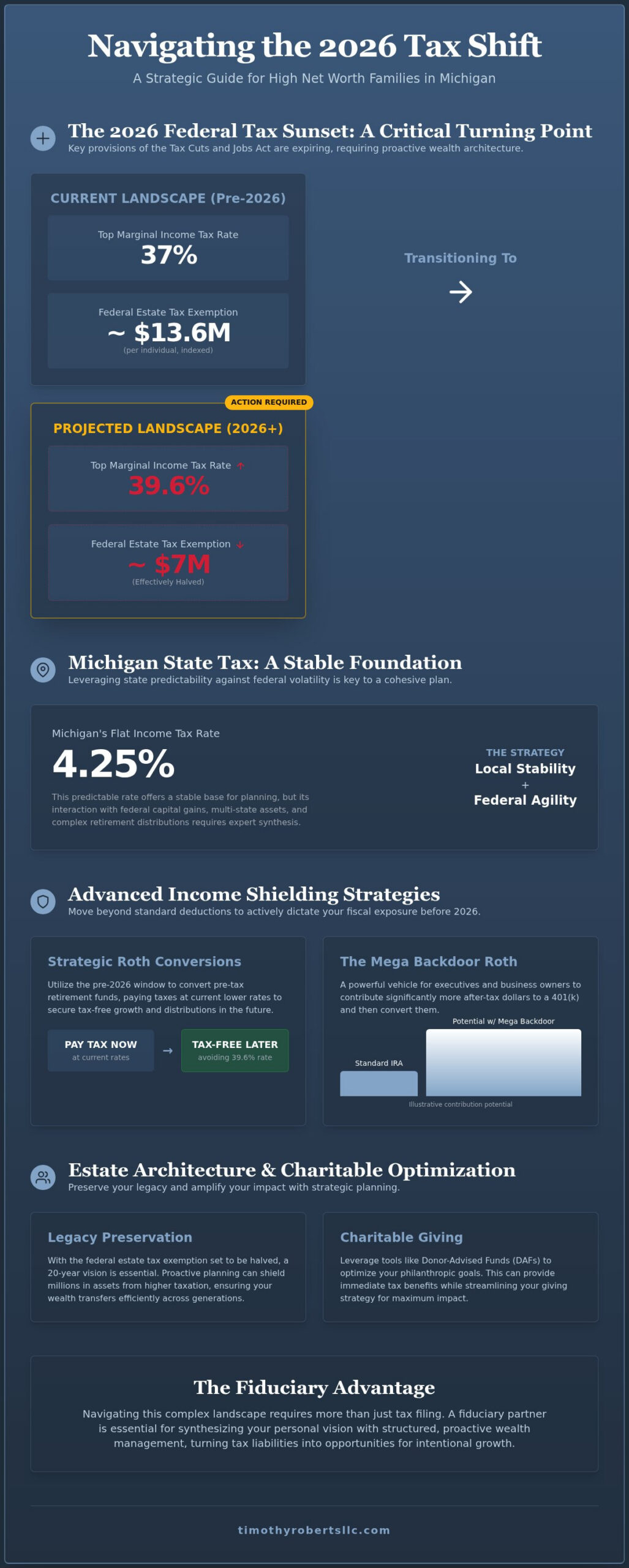
Tax efficiency isn’t a seasonal task; it’s a structural requirement for any resilient financial framework. While Michigan doesn’t levy a state-level estate tax, families with significant assets must still contend with federal liabilities and the nuances of capital gains. Effective legacy planning services in Michigan synthesize tax preparation with estate coordination to ensure every dollar transferred retains its maximum value. This involves a deep understanding of the $15 million federal exemption established by the One Big Beautiful Bill Act of 2025, a permanent threshold that requires precise navigation to avoid future legislative shifts.
Waiting until tax season to address these issues is a reactive approach that often results in missed opportunities. Year-round planning allows for the implementation of specialized interventions, such as optimizing the stepped-up basis on appreciated assets. This ensures heirs aren’t burdened by heavy capital gains taxes when they eventually liquidate inherited property or investments. For high-net-worth portfolios, these granular adjustments can mean the difference between a flourishing legacy and one diminished by avoidable erosion.
Strategic Tax Interventions
Sophisticated wealth management requires a proactive stance on inherited IRAs. Regulatory shifts mean many beneficiaries must withdraw the entire balance within a decade, which can push them into a significantly higher tax bracket. By utilizing Tax Advising in Ann Arbor, you can explore strategies like partial Roth conversions to offset these impacts. Charitable giving doesn’t just fulfill a philanthropic vision; it serves as a strategic tool to reduce the overall taxable value of the estate while supporting causes that reflect your family’s values. This synthesis of the personal and the professional ensures your capital serves a higher purpose.
The Fiduciary Advantage in Tax Planning
Tax compliance is a foundational element of fiduciary duty. A true partner doesn’t just manage assets; they ensure every financial move is documented and aligned with your broader legacy strategy. This requires seamless coordination with tax professionals to prevent discrepancies between legal documents and actual financial execution. Strategic, tax-efficient withdrawals serve as a vital mechanism to preserve the principal balance for future generations while meeting current liquidity needs. This level of rigor ensures your financial evolution remains steady, predictable, and protected from the volatility of shifting tax codes.

Constructing a Resilient Financial Legacy: A 5-Step Roadmap
A resilient legacy isn’t built by accident; it’s the result of a deliberate, five-step framework designed for long-term stability. While legal documents provide a necessary shell, the financial strategy inside those documents determines the true success of your wealth transfer. Utilizing professional legacy planning services in Michigan allows you to move beyond basic compliance toward a model of upward progression that spans generations. This roadmap ensures your assets are not only protected but also optimized for the challenges of 2026 and beyond.
- Step 1: Conduct a comprehensive audit. Evaluate all retirement and investment accounts to identify inefficiencies or misaligned beneficiaries.
- Step 2: Define multi-generational goals. Establish clear objectives and risk tolerances that reflect your family’s long-term vision.
- Step 3: Implement tax-efficient location. Place assets in accounts where they’ll be least impacted by future federal liabilities.
- Step 4: Coordinate financial roadmaps. Ensure your investment strategy aligns perfectly with the intent of your existing estate documents.
- Step 5: Establish an ongoing review cycle. Partner with a fiduciary advisor to adjust your strategy as market conditions and regulations evolve.
Auditing Your Current Financial Position
The first step in any sophisticated intervention is identifying “leaks” within your current estate structure. These are often subtle inefficiencies, such as redundant fees or tax-heavy asset placements, that can erode wealth over time. You should carefully evaluate the readiness of your 401(k) and IRA accounts for transfer, ensuring they’re positioned to minimize the tax impact for your heirs. If you’re seeking to refine your current strategy, exploring Estate Planning in Farmington Hills can provide the high-level perspective needed to secure your family’s future.
Defining Your Vision for Upward Progression
True legacy planning moves away from transactional thinking toward a narrative of partnership and shared success. It’s essential to ensure your heirs are prepared for the responsibilities of wealth, which often requires navigating complex emotional family dynamics. Professional guidance helps bridge the gap between your individual creative vision and the structured corporate capabilities required for long-term growth. This synthesis allows you to lead with calm confidence, knowing your family’s financial stability is rooted in a meticulously balanced plan. To start building your comprehensive strategy today, reach out to the experts at Timothy Roberts & Associates, LLC for a personalized assessment.
Elevating Your Future with Timothy Roberts & Associates, LLC
Timothy Roberts & Associates, LLC represents a departure from the anonymous, transactional nature of traditional finance. For over 25 years, our firm has operated as a specialized partner for those who value depth, professional stability, and intellectual curiosity. We don’t offer off-the-shelf solutions. Instead, we provide legacy planning services in Michigan that function as carefully crafted interventions. This approach treats your development as a journey rather than a simple transaction, bridging your individual creative vision with our structured corporate capabilities to ensure a results-driven identity for your estate.
Our methodology centers on the role of a visionary strategist. We understand that a truly resilient legacy requires the synthesis of aesthetic vision and business-minded rigor. By unifying tax planning strategies with active investment portfolio management, we create a rhythmic experience where your big ideas are supported by detailed execution. This integrated model ensures that your assets are not only protected but are actively positioned for upward progression in a complex economic environment. It’s a polished and intentional way to manage wealth that inspires trust through a blend of creative passion and rigorous analysis.
The Fiduciary Standard of Care
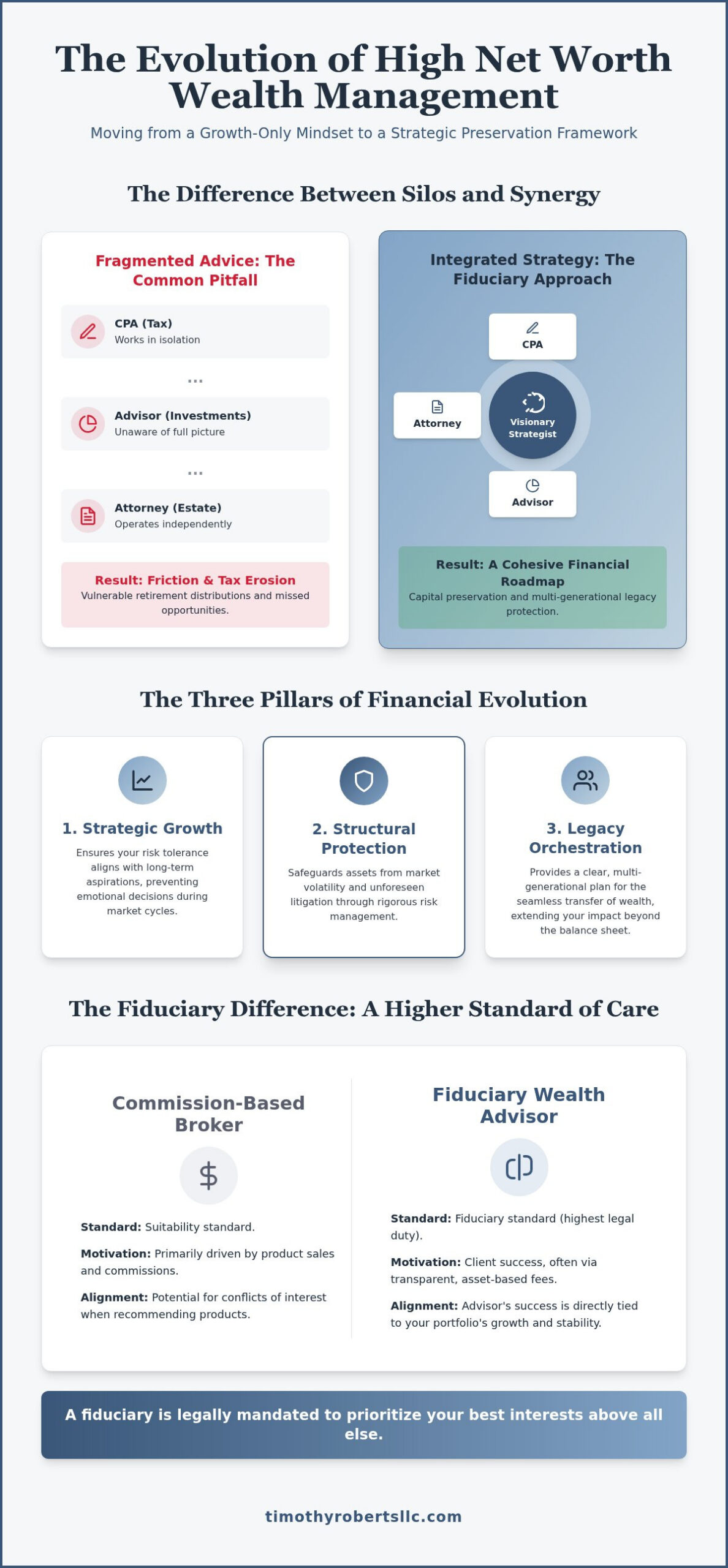
A strategic partner is defined by their unwavering commitment to a fiduciary standard. Unlike a salesperson who might prioritize transaction volume or proprietary products, a fiduciary is legally and ethically bound to put your legacy first. This distinction is critical when managing multi-generational wealth transfer or complex tax preparation needs. It ensures that every decision regarding Retirement Income Planning in Ann Arbor is made with absolute transparency and intellectual honesty. You deserve an advisor who functions as an expert craftsman, meticulously balancing the practicalities of execution with your high-level vision to ensure family financial stability.
Next Steps in Your Legacy Journey
Transitioning from a basic plan to a comprehensive legacy framework begins with a deliberate conversation. We offer fixed-fee financial planning sessions that provide a spacious and logical flow for exploring your unique needs and aspirations. During a comprehensive portfolio review, we analyze your current holdings for inefficiencies, hidden risks, and tax liabilities, guiding you from a high-level vision down to the practical steps of implementation. This process avoids a cluttered feel, mirroring the deliberate pacing of a high-end consultancy. We invite you to Request a consultation for your legacy strategy and begin the process of securing your family’s future through our specialized legacy planning services in Michigan.
Securing Your Generational Vision for 2026 and Beyond
The transition from a standard estate plan to a resilient financial legacy is a journey of intentional evolution. You’ve seen how integrating sophisticated tax strategies with active investment management creates a framework that a simple will cannot match. By following a structured roadmap, you move away from the anxiety of probate and toward the calm confidence of wealth stewardship. High-end legacy planning services in Michigan provide the intellectual rigor needed to protect your assets against shifting federal thresholds and market volatility.
Timothy Roberts & Associates brings over 25 years of fiduciary expertise to this specialized process. We focus on the synthesis of your personal vision with comprehensive tax and investment integration, delivering bespoke financial roadmaps that prioritize your family’s stability. This isn’t just about capital distribution; it’s about ensuring your success endures for generations. Take the next step in your upward progression and secure your family’s future with a strategic legacy consultation today. Your vision deserves a strategy as unique as the legacy you’ve built.
Frequently Asked Questions
What is the difference between estate planning and legacy planning?
Estate planning is often transactional, focusing on legal distribution at death. Legacy planning is a strategic alignment of assets with personal values and multi-generational goals. It involves active investment portfolio management and year-round tax planning to ensure your wealth serves a specific purpose beyond simple distribution. While estate plans provide the legal shell, legacy planning services in Michigan fill that shell with a robust financial architecture. This process transforms static documents into a dynamic journey of growth.
How often should my legacy plan be reviewed in Michigan?
You should review your legacy plan at least once every two to three years, or whenever a significant life event occurs. Legislative shifts, such as the One Big Beautiful Bill Act of 2025, can fundamentally change tax exemptions and required minimum distributions. Regular reviews ensure your strategy remains aligned with your vision for upward progression. A fiduciary advisor provides the intellectual curiosity needed to adjust your plan as market conditions and federal regulations evolve.
Can legacy planning help reduce the tax burden on my children’s inheritance?
Legacy planning utilizes specialized interventions to minimize the tax impact on beneficiaries. By implementing tax-efficient asset location and year-round tax planning strategies, you can optimize the stepped-up basis for inherited assets. This prevents your heirs from facing significant capital gains liabilities. Strategic use of Roth IRA conversions can also provide your children with tax-free income, preserving the principal balance and ensuring long-term financial stability for the next generation. It is a proactive defense of wealth.
Is legacy planning only for those with a high net worth?
Legacy planning is beneficial for anyone who wishes to ensure their assets are managed with intentionality and purpose. While high-net-worth individuals often face more complex tax preparation needs, the principles of wealth stewardship apply to all portfolios. Everyone benefits from a clear roadmap for wealth transfer and professional investment advisory. Our firm provides personalized financial strategies that focus on organizational evolution and personal growth, regardless of the initial size of the estate. It’s about quality guidance.
What role does a fiduciary advisor play in legacy planning?
A fiduciary advisor acts as a visionary strategist who is legally obligated to prioritize your best interests. Unlike a traditional salesperson, a fiduciary provides objective guidance on asset-based investment management and estate coordination. This role is essential for maintaining the professional stability of your legacy. They ensure that your financial roadmap is meticulously balanced, pairing your creative vision with the business-minded rigor required to solve complex problems. This partnership inspires trust through shared success.
How do I coordinate my retirement accounts with my estate plan?
Coordination involves aligning your beneficiary designations with the overarching goals of your financial roadmap. Many people overlook the fact that 401k and IRA assets pass outside of probate, meaning they aren’t governed by a will. Comprehensive legacy planning services in Michigan ensure these accounts are integrated into your broader strategy. This coordination prevents tax triggers and ensures that your retirement savings are distributed in a way that supports your family’s stability and long-term financial health.
What are the tax implications of transferring a 401(k) to heirs?
Transferring a 401k to heirs often triggers a tax liability, as beneficiaries are typically required to withdraw the funds within ten years. These distributions are taxed as ordinary income, which can push heirs into higher tax brackets. To mitigate this, we explore strategies like partial Roth conversions or charitable remainder trusts. Proper tax advising ensures that your hard-earned savings aren’t diminished by preventable liabilities during the wealth transfer process. It’s a calculated move for protection.
How can I ensure my charitable goals are met through my legacy plan?
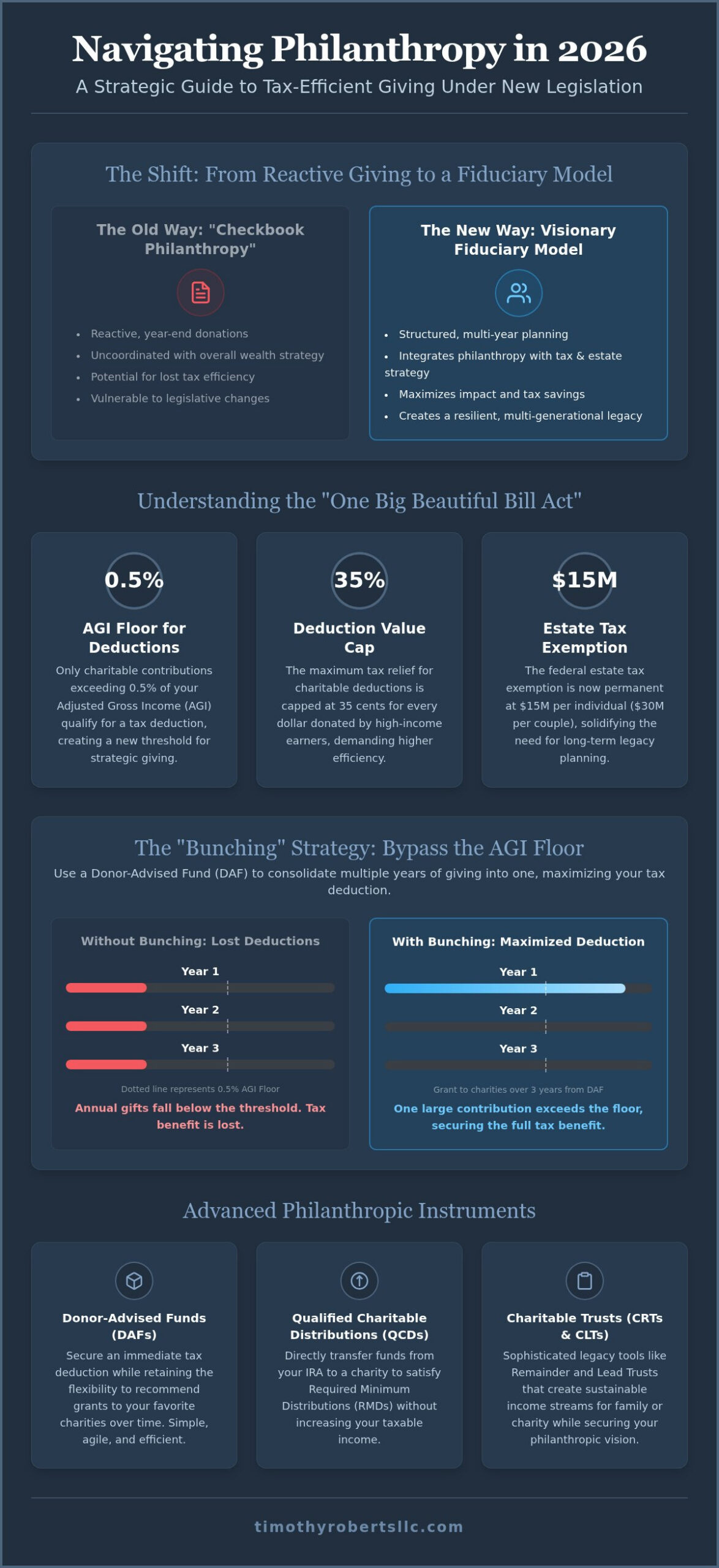
Charitable goals are met through the synthesis of philanthropic vision and structured financial execution. You can utilize tools like donor-advised funds or charitable lead trusts to support your chosen causes while simultaneously reducing your estate’s tax exposure. This approach treats charitable giving as a journey of shared success. By integrating these goals into your investment portfolio management, you ensure your capital serves a higher purpose while maintaining your family’s long-term financial security and upward progression.