A prenuptial agreement can do more than divide assets: it can clarify how adult children will be supported. Paired with an estate plan, it can help protect assets intended for children from an earlier relationship while setting a framework for assets acquired together. Creating a financial plan for a blended family with adult children also means discussing inheritance expectations and future support openly.
It’s natural to start by asking what an agreement should protect. But a sound plan reflects the whole family’s needs, including education costs, tax filing choices, and financial commitments already in place.
This guide covers four decisions to make together: whether to consider a prenuptial or postmarital agreement, how to align estate plans, how to coordinate taxes, and what support to offer adult children. The goal is a thoughtful framework that respects existing commitments and gives your shared financial future room to grow.
Key Takeaways
- Clarify what a prenuptial or postmarital agreement should protect, including assets intended for children from earlier relationships.
- Coordinate wills, trusts, and beneficiary designations so your estate plan reflects your intentions for a surviving spouse and children.
- Compare joint and separate tax filing approaches in light of your household’s circumstances and dependent-related strategies.
- Agree on how you’ll support adult children, including education funding, while balancing shared goals and existing commitments.
1. Estate planning for a surviving spouse and children from prior marriages
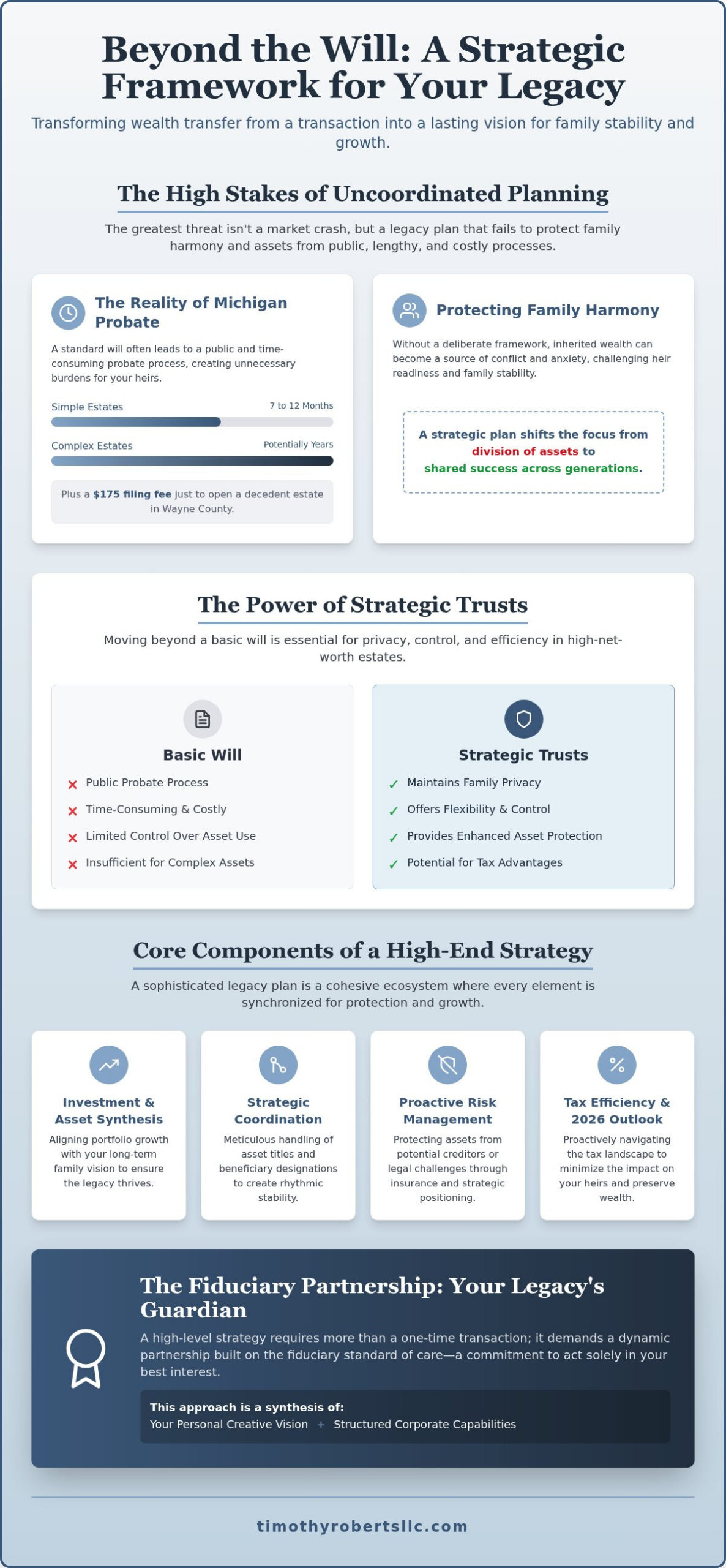
In the United States, stepchildren generally aren’t included under default state inheritance laws unless legally adopted. State rules can also affect a surviving spouse and biological children, so clearly identify each intended beneficiary in your will.
After marriage, review your will, guardianship provisions, and beneficiaries for retirement plans and life insurance. A will can express your wishes, while a trust can specify how assets are distributed over time. Update decision-making documents, including durable powers of attorney and health care directives, to identify who may act if you become incapacitated.
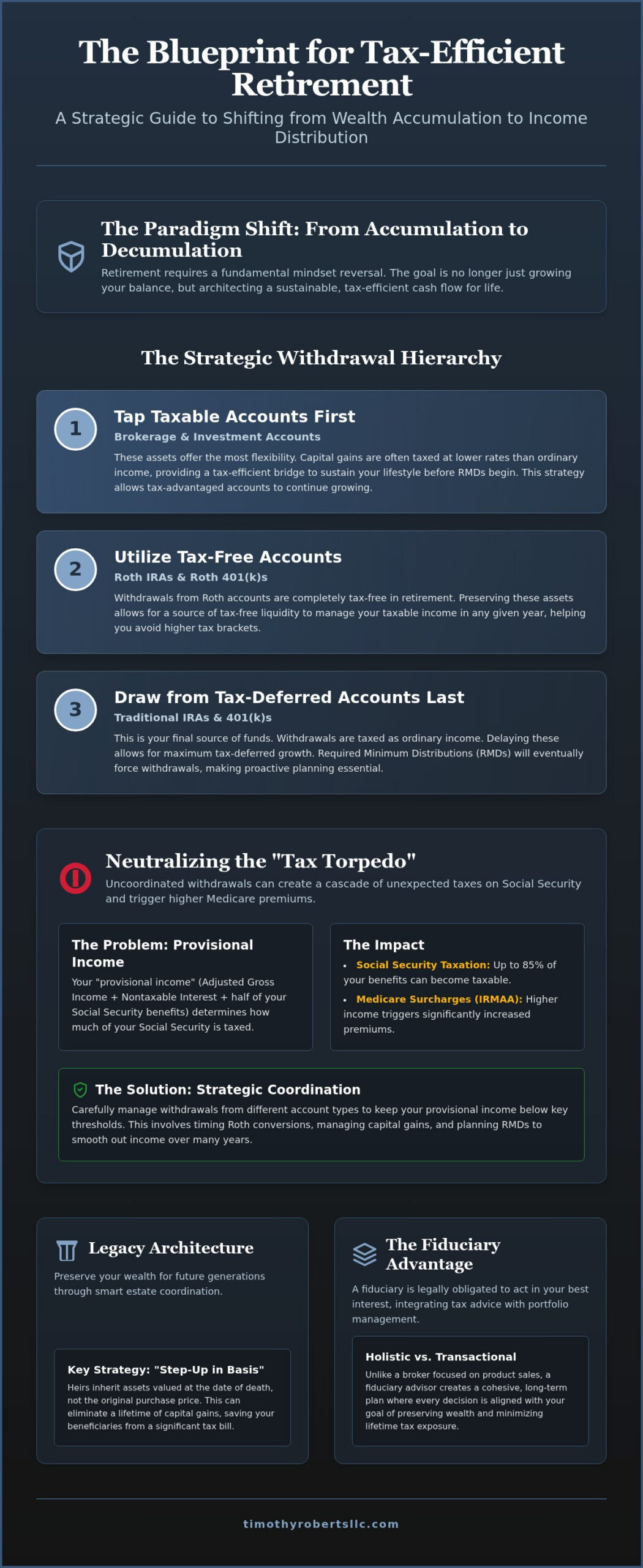
Coordinate these documents as one plan. Your will should reflect your intended division of assets; a trust can provide for a surviving spouse during their lifetime, then direct remaining assets to children from a prior marriage. A qualified terminable interest property (QTIP) trust is one option blended families may consider. Review account and insurance beneficiary designations alongside the will and trust, since those designations can transfer assets directly to named beneficiaries without probate.
Create a written inventory of obligations from former partners, such as ongoing support commitments, and review it regularly. Discuss inheritance expectations directly with adult children, especially if their other parent has died. Financial advisors can help align wealth and retirement planning, accountants can assess tax implications, and estate attorneys can advise on legal documents and state-specific rules.
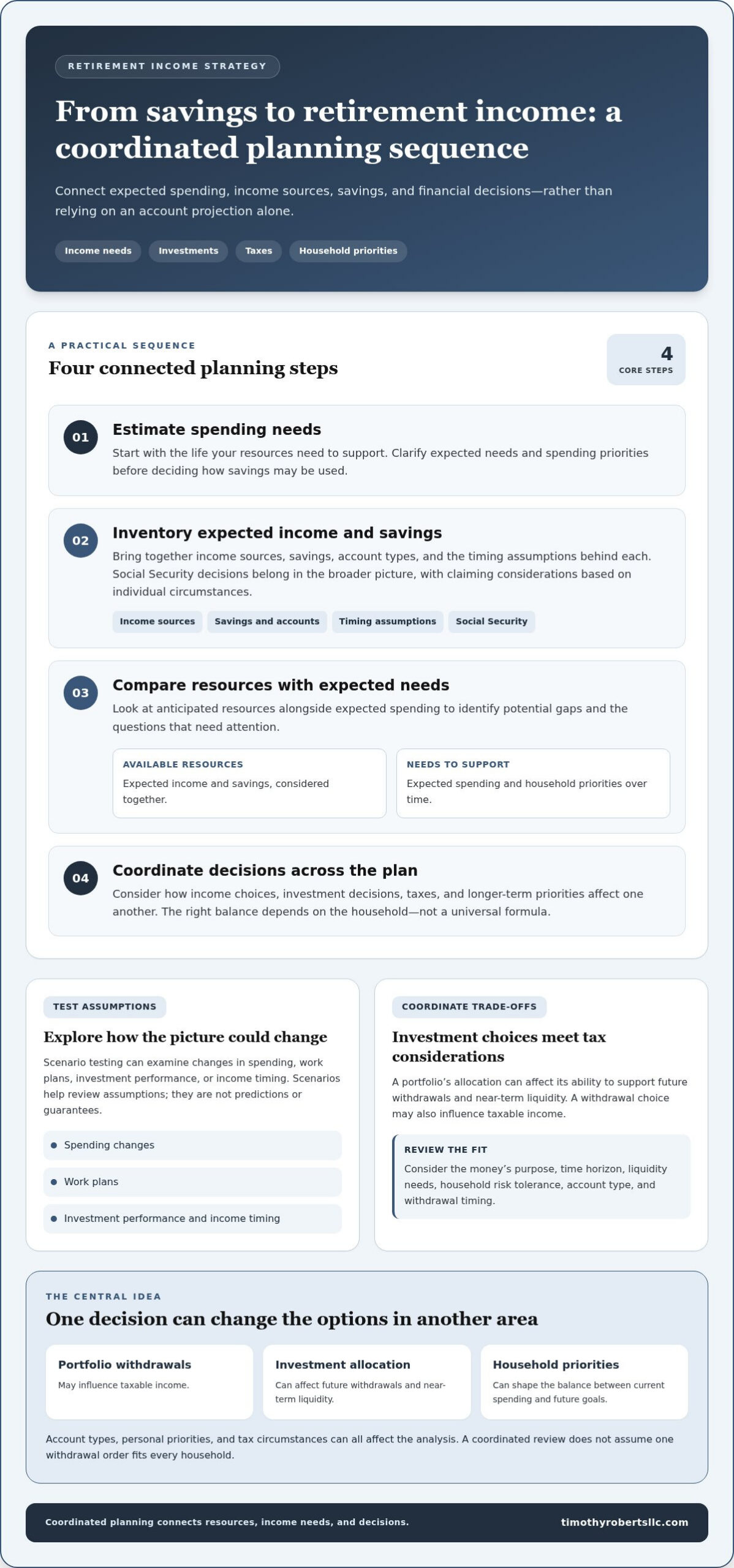
For retirement, Social Security, and health care costs, compare each partner’s expected income with planned expenses and existing commitments. Include retirement accounts, insurance coverage, and potential care needs in the same financial planning review. This helps show how supporting a spouse, meeting obligations to former partners, and preserving an inheritance for adult children fit together.
2. Should You Consider a Prenuptial (or Postmarital) Agreement?
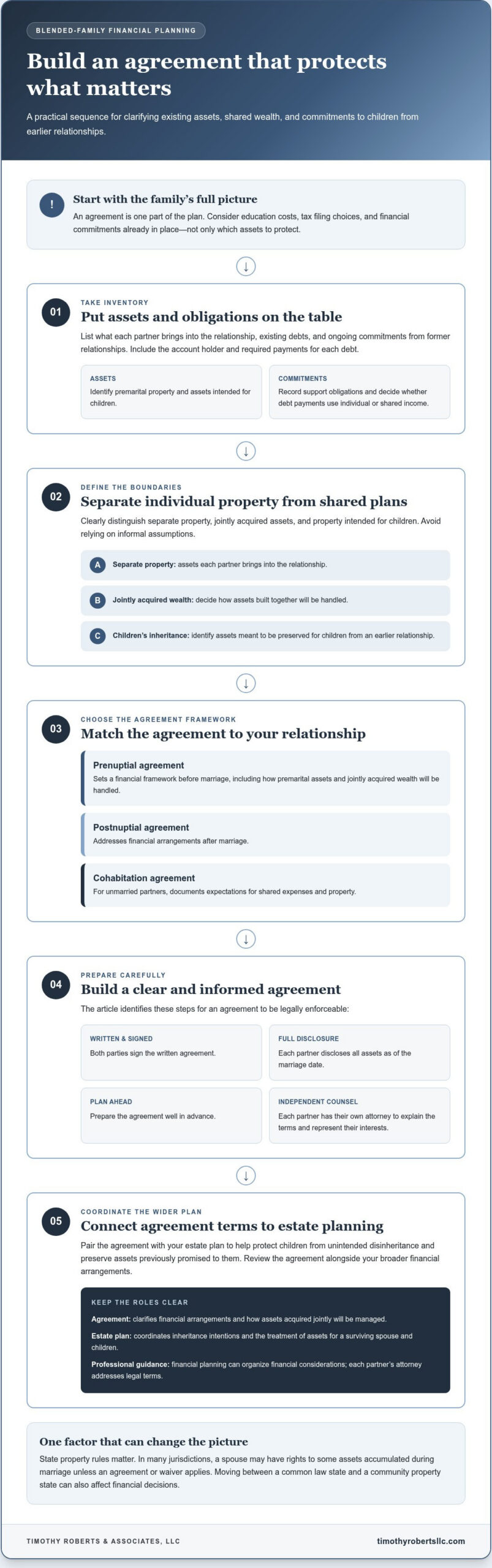
A written agreement can clarify which assets each partner brings into a marriage and how jointly acquired wealth will be handled. For example, a parent may want certain premarital assets preserved for their children, while both spouses share assets they build together. A prenuptial agreement can establish this framework before marriage; a postnuptial agreement can address financial arrangements afterward. Unmarried partners may also use a cohabitation agreement to document expectations for shared expenses and property.
Consider how state property rules may affect your plans. In many jurisdictions, a spouse may have rights to some assets accumulated during marriage unless an agreement or waiver applies. Moving between a common law state and a community property state can also affect financial decisions. Clearly distinguish separate property, jointly acquired assets, and property intended for children rather than relying on informal assumptions.
For an agreement to be legally enforceable, it must be written and signed by both parties. Each partner should disclose all assets as of the marriage date, prepare well in advance, and have their own attorney represent their interests. Separate legal counsel can help each person understand the terms and assess whether they match their intentions. A financial inventory can make those discussions more precise.
Connect the agreement to your estate plan. A prenuptial agreement paired with estate planning can help protect children from unintended disinheritance and preserve assets previously promised to them. It can also establish how assets acquired jointly will be managed. An agreement alone doesn’t coordinate every account or inheritance decision, so review it alongside your broader financial arrangements. For guidance on how shared goals and assets fit together, financial planning can help organize the financial considerations while each partner’s attorney addresses legal terms.
3. Coordinating tax filing and dependent-related tax strategies
Start with a side-by-side tax review for the household. Married couples filing jointly generally maximize deductions, while filing separately may reduce overall tax liability in some cases. Compare both approaches using each spouse’s income, withholding, and relevant dependent-related information. Keep records of education support and other family expenses so your tax preparer can assess which details affect the return.
Agree on who will provide financial records and coordinate tax preparation before filing. If adult children or stepchildren receive support from either parent, discuss how that support fits into the family’s tax planning. Don’t assume both spouses should report the same expenses or dependent information. A tax professional can evaluate your household’s circumstances and compare filing approaches alongside your estate plan.
Include trust planning in the discussion. A trust may provide for a current spouse during their lifetime, then direct remaining assets to children from a previous relationship. Coordinate its intended distributions with the estate plan and discuss the structure with an estate attorney and tax professional. This connects inheritance goals with the family’s broader income and tax picture.
Debt from previous relationships can complicate a shared budget, so create a clear inventory. Record each obligation, the account holder, required payments, and whether the couple intends to use individual or shared income to pay it. Compare those commitments with household expenses before setting shared financial goals. If a prenuptial agreement addresses responsibility for debt, review its terms alongside the estate plan and current budget.
To reduce the risk of conflict among adult children and stepchildren, discuss financial expectations together and document decisions. For example, agree how parents will communicate about support, who will contribute, and how changes will be handled. Set a regular time to review the plan as income, debt, or family needs change. Clear records and consistent conversations give everyone a more transparent framework.
4. Financial support for adult children
Support for adult children can include tuition, housing, health care, or help during a transition. Decide which needs you’ll fund, how each parent will contribute, and whether stepchildren are included. For example, one partner may have promised tuition help before the marriage. Include that commitment alongside shared household goals rather than treating it as an unexpected expense. Creating a financial plan for a blended family with adult children means making commitments visible before deciding what additional support is affordable.
For education, agree on the purpose of savings, intended beneficiaries, and how contributions will be handled. According to the Internal Revenue Service, Section 529 plans are a tax-advantaged option for funding education expenses in the United States. Couples can discuss whether to use a plan for a biological child or stepchild, and how that choice fits existing savings and family commitments. Consider how education funding interacts with other goals, including retirement saving.
Set clear boundaries around ongoing assistance. Decide whether support is a gift, a loan, or a temporary contribution, and record the expectation in plain language. For instance, parents might cover a defined education expense while the adult child pays personal living costs. Discuss how to handle requests from children in previous relationships so expectations don’t depend on which parent receives a request first. As you continue creating a financial plan for a blended family with adult children, revisit these choices when family needs or household priorities change.
Connect support decisions to estate planning. Review whether current gifts, education savings, or intended inheritance still reflect your wishes, then update relevant records after a major family or financial change. A shared approach can help preserve retirement income and household priorities while providing meaningful assistance. To align education goals with broader family finances, explore education funding strategies as part of your planning.
Timothy Roberts & Associates: Retirement Income Planning
Timothy Roberts & Associates can help align retirement income decisions with the estate and family priorities in your plan. Consider Retirement Income Planning when support for adult children, commitments from previous relationships, or changing household needs affect how you expect to use retirement assets.
Estate & Legacy Planning can connect inheritance intentions with your broader financial strategy, while Investment Portfolio Management and Risk Management & Insurance Analysis address other parts of your financial picture. Bringing these considerations together can clarify how retirement resources, family support, and legacy goals interact. The planning process can focus on your circumstances and priorities rather than treating each decision in isolation.
Contact Timothy Roberts & Associates to discuss your family’s financial planning needs.
Shape a Plan Your Family Can Grow With
A blended family’s financial plan should be more than a collection of one-time decisions. It can become a shared framework that evolves as adult children’s needs change, retirement approaches, and family priorities shift. Creating a financial plan for a blended family with adult children means making room for change while keeping each person’s intentions visible.
When you’re ready to turn your priorities into a coordinated strategy, Timothy Roberts & Associates, LLC can support the next stage through Retirement Income Planning, Investment Portfolio Management, and Estate & Legacy Planning. These services can help connect your financial direction with the legacy you want to shape, with decisions grounded in your household’s goals.
Start a conversation about the priorities you want your plan to serve. Contact Timothy Roberts & Associates, LLC to explore a considered path forward for your family’s financial future.
Frequently Asked Questions
Should You Consider a Prenuptial (or Postmarital) Agreement?
Yes, consider one if either partner wants to preserve assets for children from an earlier relationship or define how shared property will be managed. A prenuptial agreement sets expectations before marriage; a postmarital agreement can address them afterward. List each person’s priorities, debts, property, and inheritance intentions, then discuss which terms require legal advice. Aligning the agreement with an updated estate plan helps keep your financial intentions consistent.
What financial goals should blended families with adult children discuss when creating a financial plan?
Discuss how you’ll balance retirement readiness, support for adult children, inheritance intentions, and shared household goals. Be specific: identify existing education or housing commitments, what each partner hopes to leave their children, and which goals take priority if resources are limited. Record decisions and revisit them when income, family needs, or retirement plans change. Clear priorities make trade-offs easier to understand.
How should remarried couples combine finances while protecting individual assets?
Choose an arrangement that fits your commitments: joint accounts for shared household costs, separate accounts for individual obligations, or a hybrid. For example, each spouse could contribute to a shared account while keeping personal savings separate. Agree on how contributions are calculated and which expenses count as shared. Keep account records organized, and consider how ownership choices may affect financial decisions if the relationship ends.
How can couples create a fair budget when adult children have different financial needs?
Define fairness through shared principles, not identical contributions to every child. List expected support by purpose, such as tuition, housing, or emergency help, then compare those commitments with household costs and retirement priorities. For example, one child may need short-term housing assistance while another needs education support. Agree on how decisions will be made, communicate them consistently, and review the budget when circumstances change.
What are the tax implications of supporting adult children or stepchildren?
Support may make tax records relevant, but the effect depends on your household’s circumstances and applicable rules. Track who paid education, housing, and other expenses, and keep receipts with account records. Compare filing jointly with filing separately: married couples filing jointly generally maximize deductions, while filing separately may reduce overall tax liability in some cases. A tax professional can assess how your records and support arrangements affect that comparison.
How can couples plan for college debt, housing support, or other financial help for adult children?
Decide whether each contribution is a gift, a loan, or temporary assistance, and document the expectation with the adult child. For college debt, clarify whether parents will pay a specific expense or contribute toward repayment. For housing, define the support period and which costs the child will cover. Review the plan against retirement savings and existing commitments, then update it as the child’s situation or household priorities change.